The Hidden Value of Product Lifecycle Management: Enhancing Efficiency and Innovation

The Hidden Value of Product Lifecycle Management: Enhancing Efficiency and Innovation
In the fast-paced world of product development, staying ahead of the competition requires more than just innovation—it's about managing every stage of a product's life efficiently. This is where Product Lifecycle Management (PLM) comes into play. PLM is not just a tool; it's a strategic approach that transforms the way companies design, develop, and market their products. In this blog post, we'll dive deep into the benefits of PLM and how it enhances both efficiency and innovation.
Understanding Product Lifecycle Management
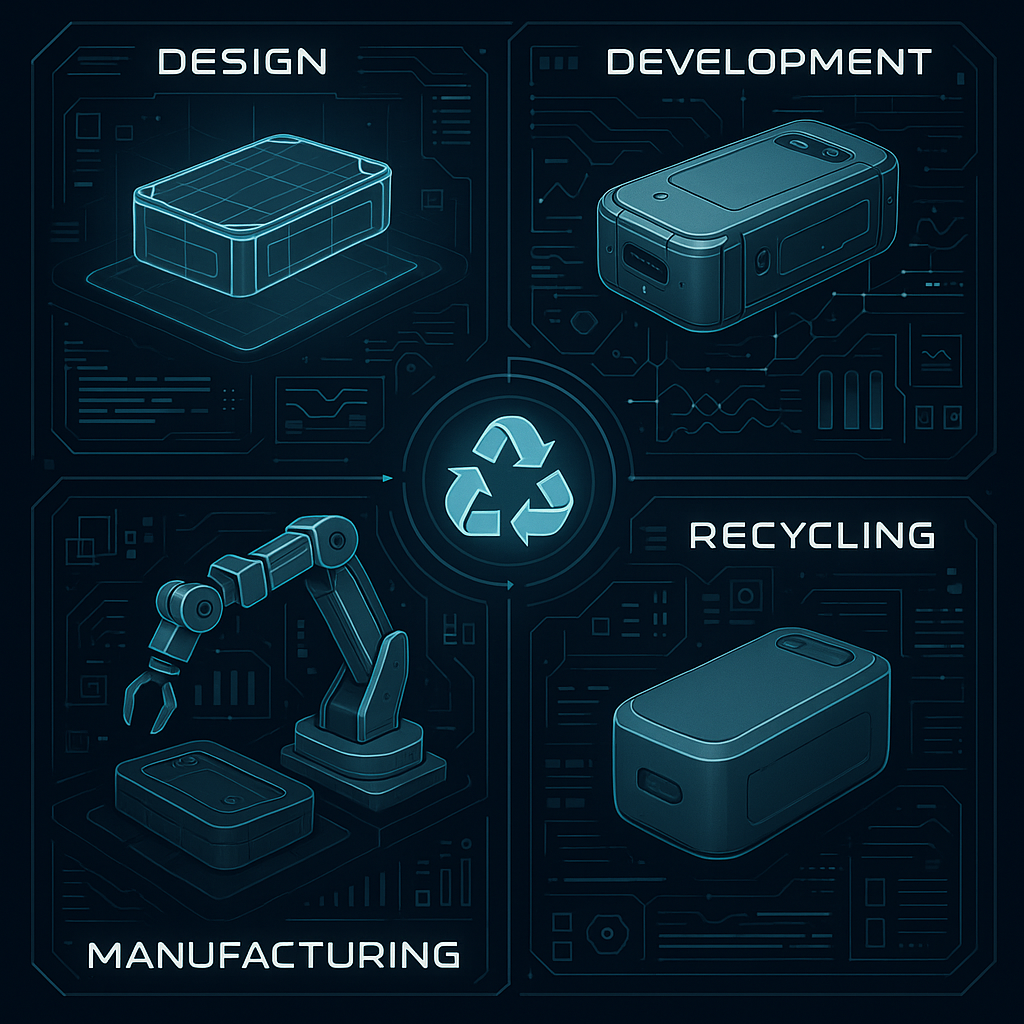
Product Lifecycle Management is an integrated, information-driven approach to managing a product's lifecycle from inception through design and manufacture to service and disposal. PLM integrates people, data, processes, and business systems and provides a product information backbone for companies and their extended enterprise.
Key Components of PLM
- •Product Data Management (PDM): Centralizes and manages product data, ensuring that teams have access to the most current information.
- •Collaboration Tools: Facilitate communication and collaboration across departments and with external partners.
- •Process Management: Automates workflows and processes, enhancing efficiency and reducing errors.
- •Change Management: Tracks and manages changes to product designs to ensure quality and compliance.
Enhancing Efficiency with PLM
One of the primary advantages of PLM is its ability to streamline processes and improve efficiency. Here's how:
Centralized Data Management
By centralizing product data, PLM ensures that everyone in the organization has access to the most up-to-date information. This reduces the risk of errors and redundancy, enabling teams to work more efficiently.
Improved Collaboration
PLM tools provide platforms for collaboration that break down silos between departments. Whether it's engineering, marketing, or manufacturing, teams can work together seamlessly, leading to faster decision-making and reduced time to market.
Automated Workflows
PLM automates repetitive tasks and standardizes processes across the organization. This not only saves time but also reduces the likelihood of human error, ensuring that products meet quality standards consistently.
Fostering Innovation with PLM
Innovation is at the heart of product success, and PLM plays a crucial role in fostering a culture of innovation.
Accelerated Prototyping and Testing
With PLM, companies can quickly develop prototypes and test them using digital simulations. This accelerates the innovation process, allowing teams to experiment with different designs and functionalities without incurring excessive costs.
Enhanced Design Flexibility
PLM provides tools that allow designers to explore multiple design scenarios and optimize them for performance and cost. This flexibility fosters creativity and encourages the development of innovative products.
Integration with Advanced Technologies
PLM integrates seamlessly with advanced technologies such as IoT, AI, and 3D printing. This enables companies to incorporate cutting-edge features into their products and stay ahead of industry trends.
Implementing PLM Successfully
To reap the full benefits of PLM, companies must implement it effectively. Here are some tips:
Define Clear Objectives
Before implementing PLM, it's essential to define clear objectives and align them with your business goals. This helps ensure that the PLM system supports your strategic initiatives.
Choose the Right PLM Software
Select a PLM software that fits your organization's needs. Consider factors such as scalability, ease of use, and integration capabilities when making your choice.
Train and Support Your Team
Provide comprehensive training and ongoing support to ensure that your team can fully leverage the PLM system. This includes educating them about best practices and how to use the tools effectively.
Overcoming Challenges in PLM Adoption
While PLM offers numerous benefits, implementing it can present challenges. Here are some common hurdles and solutions:
Resistance to Change
Change can be difficult, especially if employees are accustomed to existing processes. Address this by involving key stakeholders early in the process and demonstrating the value of PLM.
Integration Complexities
Integrating PLM with existing systems can be complex. Work with experienced IT professionals to ensure a smooth integration process.
Data Migration Issues
Migrating data to a new PLM system requires careful planning. Ensure data is clean and organized before migration to avoid issues.
Conclusion
Product Lifecycle Management is a powerful strategy that enhances efficiency and fosters innovation. By centralizing data, improving collaboration, and integrating advanced technologies, PLM empowers companies to design and deliver superior products. Implementing PLM requires careful planning and commitment, but the rewards are well worth the effort. Companies that embrace PLM not only improve their operational efficiency but also position themselves as leaders in innovation.
In conclusion, investing in a robust PLM system can be a game-changer for your business, driving growth and ensuring long-term success in the competitive world of product development.
Stay in the loop.
Join 5,000+ founders receiving weekly insights on retail scaling and operations.
Get retail growth strategies
delivered to your inbox.
READY TO UPGRADE YOUR OPERATIONS? START TRIAL FREE FOR 30 DAYS.